.avif)
.png)


Get a free marketing audit. Choose the area you want us to look at — website, SEO, AI visibility, brand, social, content or media — and we’ll show you the gaps and where your next move makes the most sense.
Most advertising waste comes down to one mismatch: showing the right message to the wrong person, or reaching the right person when the timing is off. Closing that gap is the work of smart digital media strategy.
Geofencing and Google Ads help close that gap from different angles. Geofencing targets people based on where they are, while Google Ads captures people based on what they are actively looking for. Used together, they connect location and intent in a way neither channel can do as effectively alone.
Here is how each works, where each is strongest, and why the real value is in building them into the same strategy.
Geofencing draws a virtual boundary around a physical location, such as a competitor’s store, a trade show floor, a stadium, a neighborhood, or an entire ZIP code. Once a mobile device enters that area, ads can be served to that audience based on the location signal.
Done well, geofencing advertising is one of the few tools that connects digital advertising to real-world behavior and intent. The strategic value is not simply “ads near a place.” It is what being in that place may tell you about the person’s interest, need, or stage in the decision-making process.
Someone standing in a competitor’s trade show is showing a different signal than someone in a broad demographic audience. Someone attending an industry conference may be a more qualified lead than someone who only fits a general profile. Geofencing lets you use location as a proxy for interest in several practical ways:
The limitation is that location tells you where someone is, not always why they are there. A geofence around a hardware store may include both a contractor and someone buying a lightbulb. The channel is powerful for reach and timing, but it becomes stronger when paired with a clearer intent signal.
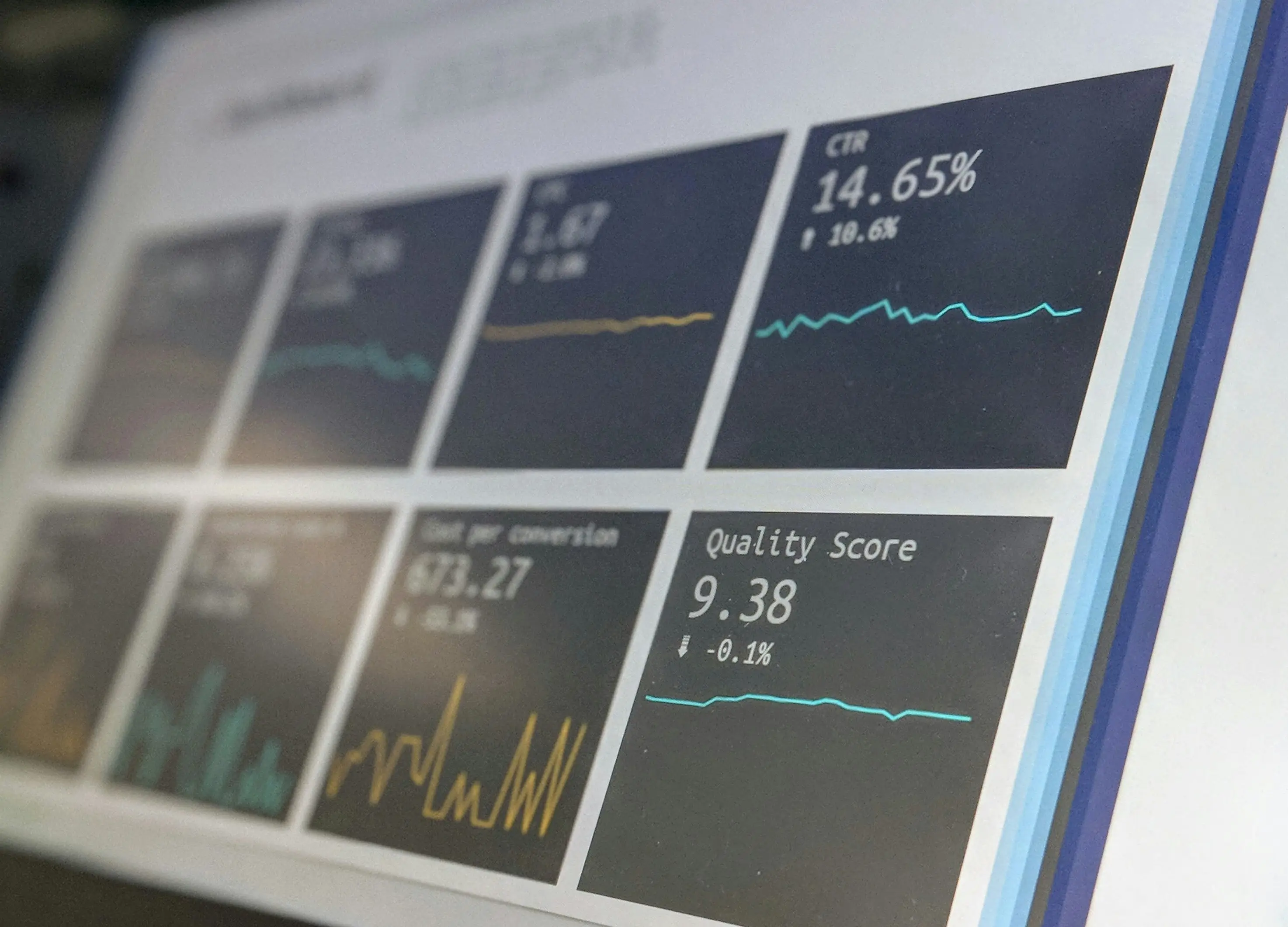
That intent signal is where Google Ads becomes valuable. Instead of inferring interest from location, paid search responds to what people declare in their own words at the exact moment they are looking.
Someone typing “emergency HVAC repair near me” is not a broad awareness prospect. They have a problem, and they are actively searching for an answer.
That is why paid search remains one of the highest-intent channels in digital media because it responds to demand declared by individuals. The person is already looking. The strategic work is making sure the right brand shows up for searches that signal real commercial intent, with a message and landing experience that match what the person actually asked for.
The fastest way to waste a search budget is to win the click and then send the person to a page that does not deliver on the promise. Strong Google Ads performance depends on more than keywords. It requires alignment between the search, the ad, the landing page, and the action you want the user to take.
“The moment of intent is the most valuable real estate in marketing. When someone is actively looking, you don’t need to convince them they have a problem. You need to be the obvious answer. Everything we do in media is about earning that moment and being ready for it.” Blake Renda, Co-CEO & Co-Founder, Dragon Horse Agency
This is where strategy earns its keep. Geofencing and Google Ads should not be treated as competing line items. In many campaigns, they are two stages of the same customer journey.
Geofencing creates awareness and consideration among people who have shown real-world signals. Search captures demand when those people, and others like them, start looking for answers. When these channels run in isolation, each can perform well. When they run as part of one system, they reinforce each other.
A stronger combined strategy may include:
The value is in the sequence. Geofencing can create recognition before a person searches. Google Ads can capture the action once the person is ready to look. Measured together, they tell a more complete story than either channel does on its own.
Both channels are only as strong as the measurement behind them. Geofencing should be evaluated on more than impressions. Foot-traffic lift, store visits, and conversions tied back to exposed audiences can show whether the campaign created movement beyond visibility.
Search should be judged by cost per qualified lead, return on ad spend, and the quality of the actions being taken. Raw clicks may look good in a report, but they do not mean much if they are not turning into useful traffic, inquiries, or revenue.
Because these channels can assist each other, the cross-channel view matters most. The better question is not only how geofencing performed or how paid search performed. The better question is what the combination produced that the separate pieces could not.
That also means respecting privacy and platform rules as they evolve. Strong location and search strategy in 2026 should be built on first-party data, clean audience construction, and transparent measurement, not shortcuts that may not survive the next policy change.
“Precision is only powerful when it’s pointed at the right goal. We don’t chase clicks or impressions. We engineer the path from attention to action, and we hold every channel accountable to where it actually moves the business.” — Julie Koester, Co-CEO & Co-Founder, Dragon Horse Agency
At its core, the principle is simple: reach the right person, with the right message, at the right moment. Geofencing gives you the location and timing. Google Ads gives you the intent. Advertisers who treat them as one connected system, instead of two separate budgets, are better positioned to turn ad spend into measurable growth instead of measurable activity.
Dragon Horse Agency builds integrated media strategies that connect real-world reach with high-intent search to drive measurable results. Ready to make your ad spend work harder? Let's talk.
Author: Pradeep Vyas, Digital Media Strategist, Dragon Horse Agency